In the last few years, I’ve noticed that I have a higher success rate landing big multi-day corporate event photography jobs when I’m in direct contact with the actual client or someone with significant responsibility for the success of the event. Sometimes, I get the call from a more junior person whose only job is gathering bids and who can only pass on a basic description of the event. My theory is the lack of information results in a bid that’s more expensive than it has to be. By talking directly with the client/planner, I probably could have discovered ways to reduce the event photography hours (saving the client money) and still get all the photos the client really needs.
For example, a multiday conference hosted at a big hotel often has social events in the evening that usually start with drinks and socializing and lead to dinner and perhaps dancing or entertainment afterward. Photos during a meal are rarely successful (ie, they are rarely flattering) and can be annoying to the guests. After dinner there can be great photo opportunities of awards presentations, speeches, entertainment and dancing. But I’ve found that photos of people dancing and partying till the bitter end are a waste to time and money (you can probably guess why). About 1.5 hours of dancing/partying photos are all that’s really needed so why not save money get a bid that reflects releasing the photographer early.
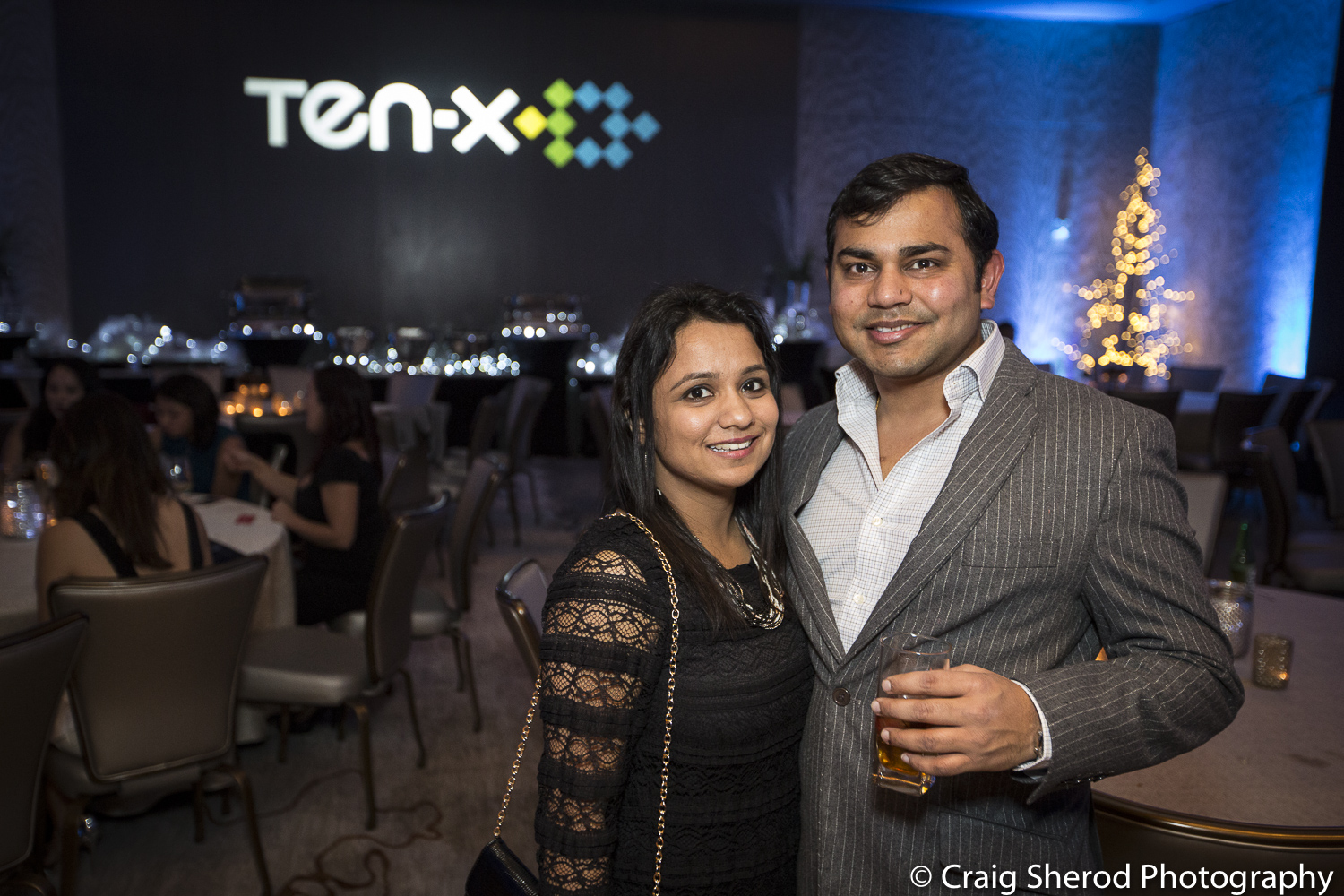
And how about those photos of conference registration? Yes, a few are often needed by the client but having the photographer arrive at or before the start of registration usually results in expensive standing-around time for the event photographer. About 30 minutes of registration photos is usually plenty.
When I get a chance to really understand the event, I can often suggest changes like this that save some hours on the front and back end of the event. This results in a bid that’s lower than it would have been when I’m only given basic event hours, which is why I’ve noticed that I usually get the job when there’s more direct interaction and participation with the client/planner. I’ve helped the client get all the event photos they need for 10%-20% less cost. Not that I don’t want those extra hours, but clients (and planners) appreciate my respect for their budget and that also makes them repeat customers.
One caveat: Shaving hours in the middle of an event doesn’t always work the same way. You can’t really “expect” the event photographer to go off the clock for 1.5 hours while your guests are between the last session and the start of the evening reception. The photographer is a captive at that point and can’t probably use or enjoy that time so it’s typically not a place to reduce cost. Although, I have occasionally gone off the clock in situations like this, especially when it’s a multiday event and the client has provided a room at the conference hotel (so I have a place to relax other than hiding in the lobby).
I’m reminded of the Geico commercials about 15 minutes saving you 15%. My message is very similar. By taking more time to have a dialogue with me about your event, I can often surprise you with ways to spend less and still get everything you need.
I’m asked to shoot headshots frequently as a corporate photographer. People sometimes assume it’s a trivial process but there are actually many decisions that go into making a great headshot.

Corporate headshot on white background
Perhaps you wonder if you really need a “great” headshot? Why not get a quick shot that’s very inexpensive? Maybe you have a friend or co-worker with an expensive new DSLR. Ugh! Don’t get me started on that…. For most people, getting a great headshot is a great investment. In today’s world, your headshot will probably end up online in more places than you’d guess (e.g., LinkedIn, company website, professional association websites, conference websites, facebook), places that your prospective employers, partners, and customers will probably see. And that matters!
Studies have shown (well not really… but it’s still true) that people view your image for only a second or two but they draw far-reaching conclusions from that quick glance. Hopefully, they’ll conclude that you are smart, confident, professional, competent, and someone they wouldn’t mind working closely with. If not, then it’s probably going to cost you…and you may never even know it. Do you think a prospective client will call and inform you that you didn’t make the cut because your headshot put them off? No, of course not. They will move on and you will never know that you lost an opportunity. That’s why a great headshot is truly an investment.
Headshot or Environmental Portrait?
The first decision on your way to getting a great headshot that’s right for you is selecting the type of headshot, which also has lots to do with what’s in the background of your portrait. Most headshots use an artificial background, which tends to give the shot a more formal look and a “studio” look. Long rolls of seamless paper are a common studio background. Muslin fabrics with subtle patterns are another common background. Textured walls, curtains, and many other artificial backgrounds are also common. Plus, each of these can be modified with lighting too – a glow from bottom to top is a common example. One advantage to a solid or subtle patterned background is that it doesn’t compete with your face! The viewer’s eye naturally goes to your face.

Corporate headshot with traditional artificial background
An environmental portrait is shot in a location that is natural or relevant to the person. Perhaps it’s a famous pianist sitting at her Steinway in a concert hall. Or it could be google’s CEO sitting on a company bike before zipping off before peddling off to somewhere in the googleplex. These are powerful shots and make a strong impression on the viewer if done well. These types of shots are my favorite as a photographer. However, they also require more planning and often rely on things out of our control (weather, lighting, access, etc.). That is to say, they are less predictable and require a little buy-in and flexibility from the subject.
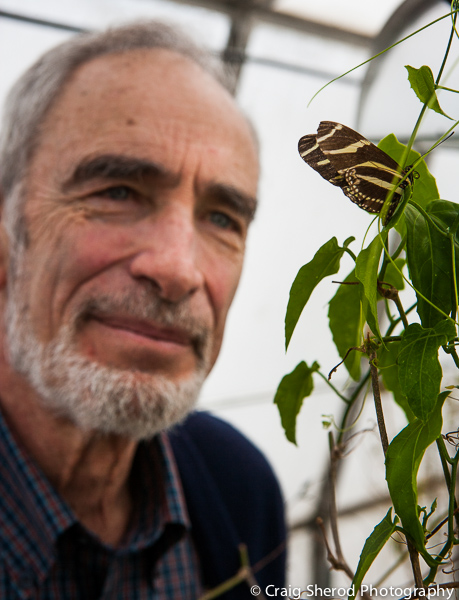
Environmental portrait of Dr. Paul Ehrlich, author of The Population Explosion in greenhouse used for population studies with butterflies

corporate environmental portrait
Somewhere between the artificial background and the environmental portrait is another nice option: The blurry organic background. This is a nice option that appeals to many and can work for almost everyone. The most common example of this is to use trees in the background and blur them in-camera using a very wide lens aperture. Surprisingly, this background can work for people in all professions and ranks (ie, from a psycho-therapist to a CEO). Or a mix of architecture and greenery – blurred once again – is another good variation on this theme. Like the environmental portrait, this type of shot also has an element of unpredictability to it (ie, weather, lighting, season, access).

Corporate headshot with organic background
Finally, there’s one last variation I should mention which involves shooting the portrait on a solid background in a studio setting and then digitally merging it with a background image that is captured separately. You might think that it’s just a matter of knowing how to manipulate Photoshop to extract the person from one image and merge it with the background image. Of course, those steps are required, but it’s the choice of background and compatibility of lighting that will determine if the image will look realistic and natural. I’ve done several jobs like this for large corporate clients and I think I was successful because I shot a lot of background shots inside and outside of their facility (blurred in-camera) and then I matched up the coloring and lighting and tone of the background with the people who seemed to fit them. Some combinations work and others just don’t. Luckily, my clients have left those choices up to me and sometimes I’ll give them the option a couple of backgrounds that work equally well.

Corporate headshot with background substitution
This blog post is getting longer than I’d hoped so I’m going to stop here and cover other important issues — like the value of hair & makeup stylists, clothing choices, and more – in my next post. Your comments and questions are welcome!
These days – especially here in Silicon Valley – corporations need to make their organization look attractive to prospective employees. It’s a competitive market out there and it’s not enough to just post a job on your website and then wait. So smart companies are calling me frequently to shoot what are typically called “action shots” for their website.
Action shots are images of your people in your workplace looking dynamic, fun, attractive (lots of leeway here – no set style for attractive), engaged, smart, intense, and collaborative. Images that show those great people in a cool environment. For example, it might be a shot of a small group having a fun lunch in your colorful catered cafeteria. Or maybe it some shots in a great meeting room with the natural light and bay view showing your team engaged and communicating? And don’t forget the company picnic, team-building event, or celebration to show that fun is part of the job too!

Corporate Photography – Action shot showing people engaged in a meeting. It’s a staged meeting to get the photos. This was the only spot with some nice color in the windows behind them, which really livens things up.
Action shots are primarily about hiring great people, but these shots also have an important psychological effect on your customers and potential partners too. Everyone wants to buy from or work with great people and these shots portray your company in a great light.

Corporate Photography – Action shot showing people collaborating. It’s a staged event to get the photos so the photographer has to provide guidance.
Shooting good action shots is a task that takes patience and creativity and guidance from your corporate photographer. There’s no right or wrong solution and every situation and group are different. Let’s say you want meeting room shots. How wide should the shots be? I typically like to shoot three people next to each other with someone across from them engaging them in conversation. Three people seems like a meeting but allows you to get in tight enough so the expressions on the faces can be seen and felt. To many people and the images become a little distant. Since people are going to be talking and moving, it’s necessary to shoot for a while since most of the shots will have someone with their mouth at an odd angle or their eyes closed and won’t be usable. But in 15-20 minutes, the photographer ought to be able to get a nice handful of shots from a few angles and showing different group dynamics and expressions. Then bring in a second and even a third group or at least mix up the seating for the people you have. You never know what will happen so give the shoot a chance and get a nice collection of subjects if possible. A good photographer will keep the mood light and also give direction because some steering it needed. Surprisingly, people usually have fun with this kind of shoot and say it was a lot better experience than they expected.

Corporate Photography – Action shot showing people in an office meeting. It’s a staged meeting in a tighter area than a conference room. See how the background adds to the image too.